
 %
 %
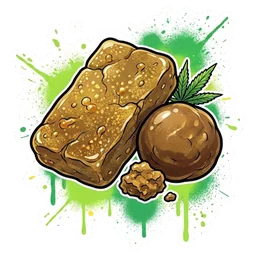
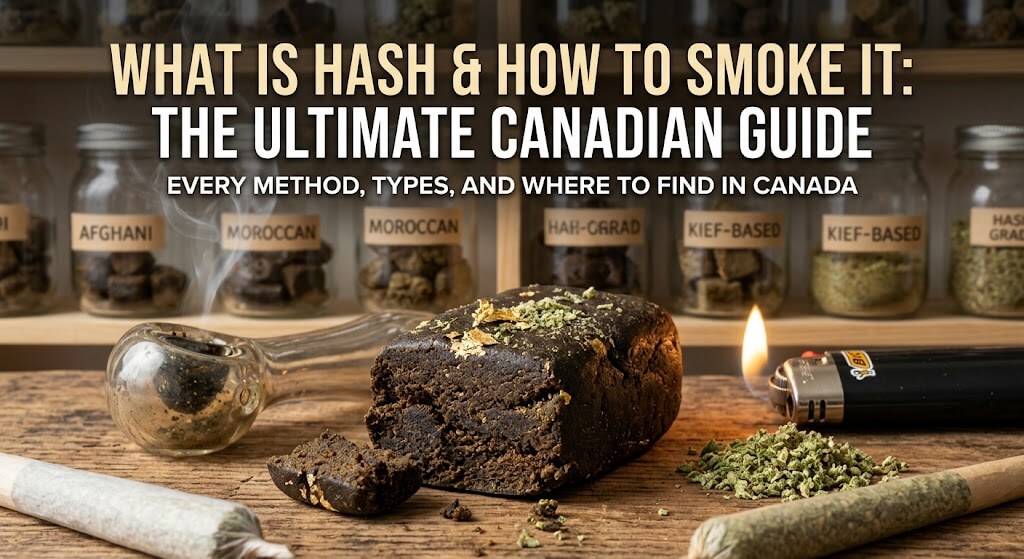
Hash, short for hashish, is one of the oldest forms of cannabis concentrate. While products such as shatter, live resin, and wax have become popular in recent years, hash has remained a favourite because of its traditional production methods, rich aroma, concentrated resin, and wide range of textures.
Whether you are new to hash, want to understand What Is Hash, or are simply comparing different smoking methods, this guide covers the basics. We will look at what hash is, how it differs from flower and other concentrates, the main types of hash, traditional smoking methods, quality factors, storage, and where to find hash in Canada.
For Ottawa and Gatineau consumers, Uper Weed currently offers a dedicated hash selection that includes pressed, sifted, imported, and bubble hash. Its current hash menu also provides information about product origin, texture, grade, and lab testing.
What Is Hash (Hashish) — A Focus on What Is Hash

Hash is a cannabis concentrate made by collecting the resin-rich trichomes from cannabis flowers and compressing or processing them into a more concentrated form. Trichomes are the tiny resin glands found on cannabis flowers. They contain cannabinoids such as THC and CBD, along with terpenes that contribute to the plant's aroma and flavour.
Instead of keeping the entire cannabis flower, hash focuses mainly on the resin portion of the plant. Depending on the production method, the finished product can be soft and pliable, firm and crumbly, sandy, sticky, or pressed into a solid block.
Traditional hash can be produced without chemical solvents. Common methods include dry sifting, ice-water separation, and hand-rubbing. Modern solventless methods have also introduced products such as bubble hash and hash rosin.
This is one of the reasons hash continues to have such a strong place in cannabis culture. It combines traditional production with the concentrated characteristics that many consumers look for in modern cannabis products.
Hash vs. Flower — What's the Difference
Flower and hash come from the same plant, but they are processed differently.
Cannabis flower is the dried and cured bud of the cannabis plant. Hash is made by separating and concentrating the resin-producing trichomes from that flower.
This difference affects appearance, texture, potency, aroma, and how the product is consumed.
|
Feature |
Cannabis Flower |
Hash |
|
Form |
Dried cannabis buds |
Compressed or processed trichomes |
|
Texture |
Dry and leafy |
Soft, firm, sticky, or crumbly |
|
Main compounds |
Cannabinoids and terpenes |
Concentrated cannabinoids and terpenes |
|
Aroma |
Strain-dependent |
Often rich and resinous |
|
Production |
Grown, dried and cured |
Trichomes separated and processed |
|
Common types |
Indica, Sativa, Hybrid |
Dry sift, bubble, pressed, imported |
Because hash is concentrated, consumers should not assume that the same amount they would normally use with flower will produce the same experience. Product strength can vary considerably, so checking the current product information is important.
Hash vs. Other Concentrates
Hash is often grouped with other cannabis concentrates, but the production process can be very different.
Hash vs. shatter: Shatter is commonly associated with solvent-based extraction and has a glass-like appearance. Hash is traditionally produced through mechanical or water-based separation and usually has a softer or more solid resin texture.
Hash vs. wax/budder: Wax and budder are processed concentrates with soft, creamy, or wax-like textures. Hash retains more of the traditional pressed or separated-resin character.
Hash vs. live resin: Live resin is made using fresh-frozen cannabis and extraction techniques designed to preserve terpene content. Hash can also be terpene-rich, but its production is based on separating trichomes rather than using the same extraction process.
Hash vs. kief: Kief is loose trichome material that has not necessarily been pressed into hash. Hash is generally a more processed form in which the collected resin has been pressed, heated, worked, or otherwise formed into a solid or semi-solid product.
The biggest difference is therefore not simply strength. It is also how the product is made, its texture, its aroma, and the type of experience it provides.
Types of Hash
Not all hash looks or feels the same. The production method, cannabis used, processing technique, and grade can all change the final product.
Dry Sift Hash (Moroccan Hash)
Dry sift is one of the traditional forms of hash.
Dried cannabis is passed through screens that separate the small resin glands from larger pieces of plant material. The collected trichomes can then be pressed into a more solid form.
Moroccan hash is one of the best-known traditional styles. It is commonly associated with earthy, spicy, woody, and resinous aromas and can range from soft and pliable to firm and crumbly.
- Texture: Firm, crumbly, or pressed
- Colour: Golden, brown, or darker depending on the product
- Character: Earthy, spicy, aromatic
- Common use: Traditionally mixed with flower or used in pipes and other smoking methods
The exact characteristics depend on the product, so the description and lab information should always be checked before buying.
Bubble Hash (Ice Water Hash)
Bubble hash is produced using ice water rather than traditional dry screening alone.
Cannabis is separated in cold water and filtered through mesh screens. The process is designed to separate trichomes from the plant material while keeping the resin intact.
The finished product may have a sandy, granular, sticky, or pressed texture depending on how it is processed.
Uper Weed currently lists bubble hash as part of its hash and concentrate selection. Its website also separates hash products by type and provides lab-testing information on current listings.
Full-Melt Hash
Full-melt refers to a high-purity type of hash that can melt or vaporize more completely when heated.
The quality depends heavily on the amount of plant material remaining and the purity of the trichome heads. Full-melt products are generally considered a premium category and are often associated with concentrate-focused consumption.
Because potency can be high, consumers should pay close attention to the current product label rather than relying on a general THC number.
Hand-Rubbed Hash (Charas)
Charas is a traditional hand-rubbed form of hash associated with regions of India and Nepal.
Instead of dry-sifting dried cannabis, resin is collected through contact with cannabis plants and then worked into a concentrated form. Charas is often soft, dark, sticky, and highly aromatic.
It has an important cultural history and remains one of the most recognizable traditional forms of hashish.
Lebanese Hash
Lebanese hash is traditionally associated with the Bekaa Valley. It is often discussed in blonde and darker varieties, with differences in colour, texture, aroma, and processing.
Traditional Lebanese hash is known for earthy, herbal, warm, and mellow flavour profiles.
Afghan Hash
Afghan hash has a long history and is traditionally associated with dense, dark, hand-worked products.
Depending on the particular product, Afghan hash can be soft, pliable, sticky, or firm. Its aroma is often deep and earthy, and it is commonly associated with cannabis varieties known for relaxing effects.
Uper Weed currently carries imported hash categories, with listings that include Afghan, Moroccan, Lebanese, and other styles.
How Hash Is Made — A Brief Overview

Understanding the basic production process makes it easier to see why different types of hash look and feel so different.
- Dry sifting: Dried cannabis is passed through screens. The movement separates trichomes from larger plant material, and the collected resin can then be pressed.
- Ice water separation: Cannabis is placed in cold water and agitated so that trichomes separate from the plant. The material is then filtered through mesh screens.
- Hand-rubbing: Resin is collected through contact with live cannabis plants and worked together to create traditional charas.
- Mechanical pressing: Collected kief or hash can be compressed under pressure, sometimes with controlled heat, to create a more solid product.
The result can range from loose, sandy material to soft traditional hash and highly refined solventless products.
How to Smoke Hash With a Bong

A bong is a traditional option for consumers who already use water pipes. Hash is often combined with flower because concentrated resin does not behave exactly like dry cannabis flower when heated.
Rather than treating hash like ordinary flower, many consumers use a small amount with flower to help it heat more evenly.
General Method
Break the hash into a manageable amount and combine it with flower in the bowl. The flower acts as the main burning material while the heat warms the hash.
Take slow draws rather than immediately taking a large hit. Hash can be considerably more concentrated than ordinary flower, so starting cautiously is important.
Tips
- Use a clean bong so old resin does not affect flavour.
- Avoid using more hash simply because the first hit feels mild.
- Keep the flame controlled rather than aggressively heating the concentrate.
- Clean the bowl and glass regularly because hash residue can build up quickly.
How to Smoke Hash With a Pipe (Glass Pipe or Spoon Pipe)

A glass pipe is another traditional option.
Hash can be difficult to burn evenly on its own, so it is commonly combined with a small amount of flower. A pipe screen can also help keep melted resin from moving through the bowl.
General Method
Prepare a small amount of hash and combine it with flower in the bowl. Keep the amount modest, especially if you are unfamiliar with the particular hash.
Take slow draws and allow time between them. Hash smoke can feel stronger than ordinary flower smoke.
Tips
- Keep the pipe clean.
- Use a screen when appropriate.
- Avoid overheating the hash.
- Take smaller draws if the smoke feels harsh.
How to Smoke Hash With a Joint

Hash has been combined with flower in joints for generations.
The traditional approach is to break the hash into small pieces or soften it enough to distribute through the flower. Keeping the hash evenly spread helps avoid large concentrated pockets.
General Method
Prepare the flower and break the hash into small pieces. Distribute it through the flower rather than placing a large lump in one location.
Roll the joint as normal and smoke it slowly.
Alternative Method — Crumbled Hash
If the hash is too dry to form a thin piece, crumbling it into smaller pieces can make distribution easier.
Tips
- Do not overload the joint.
- Keep the hash distributed rather than concentrated in one spot.
- Expect the joint to burn differently from a flower-only joint.
- Give yourself time to assess the effects before consuming more.
How to Smoke Hash With a Cigarette

Mixing hash with tobacco is a traditional practice in some European, Middle Eastern, and North African cannabis cultures.
However, tobacco introduces nicotine and its associated health risks. For consumers who do not already use tobacco, combining hash with tobacco is not a safer alternative to using cannabis without tobacco.
If tobacco is part of your existing routine, it is still worth understanding that the combination changes the health profile of the session.
Alternative — The Ember Method
Traditional hash culture includes several ways of heating small amounts of hash using an existing ember. These methods vary by region and tradition.
Because direct handling of burning material can create unnecessary risks, using purpose-built equipment is generally preferable to improvised methods.
Reality Check
Tobacco can dominate the flavour of hash and adds nicotine exposure. Consumers interested mainly in the character of the hash may prefer a method that does not involve tobacco.
How to Smoke Hash With a Dab Rig

Dab rigs are generally used for concentrated cannabis products and can also be used with suitable high-quality hash.
Full-melt hash and hash rosin are often associated with concentrate equipment because their texture and purity allow them to vaporize more cleanly than lower-grade products.
General Considerations
Use equipment that is designed for concentrates and follow the manufacturer's instructions. The appropriate temperature depends on the product and equipment.
Avoid extremely high heat because excessive temperature can damage flavour and create harsher vapor.
Tips
- Use only a small amount.
- Make sure the equipment is clean.
- Follow the manufacturer's temperature guidance.
- Do not assume that every type of hash is suitable for every dab rig.
How to Smoke Hash With a Vaporizer
Vaporization is another option for hash that is compatible with concentrate equipment.
A suitable vaporizer can heat the material without the same combustion involved in smoking. This can preserve more of the product's aroma and may produce a different experience from traditional smoking.
General Method
Use a vaporizer specifically designed to handle concentrates or hash. Not every dry-herb vaporizer is suitable for sticky resin.
Check the manufacturer's instructions for compatible materials and temperature settings.
Tips
- Clean the chamber regularly.
- Check whether the device supports hash or concentrates.
- Start with a small amount.
- Avoid using equipment that is not designed for sticky concentrates.
Smoking Hash Under Glass — The Traditional Method
The pin-and-glass method is an old-school approach associated with traditional hash consumption.
The basic idea is to heat a small piece of hash and capture the resulting smoke under an inverted glass before inhaling it.
This method is more of a traditional ritual than a convenient everyday method. It also involves an exposed heat source, so care is important.
Consumers should avoid placing hot materials where they could be knocked over or cause burns.
Hot Knife Hits — Old School
Hot-knife use is another old method associated with hash consumption.
However, it involves extremely hot metal and can result in serious burns or accidental fires. It is not a recommended modern approach when safer, purpose-built equipment is available.
If discussing historical hash methods, hot knives are best viewed as a piece of cannabis culture rather than a preferred modern consumption method.
First Time Smoking Hash — What to Expect

If you have used cannabis flower before but have never tried hash, the experience can be noticeably different.
It may feel stronger: Hash concentrates the resin from cannabis, so a small quantity can contain substantially more cannabinoids than an equivalent amount of ordinary flower.
The flavour can be different: Traditional hash often has earthy, spicy, woody, herbal, or resinous notes. The exact profile depends on the cannabis used and production method.
The effects can feel different: Some hash products are associated with relaxing, body-focused effects, while others may feel more uplifting. The source cannabis, cannabinoid profile, terpene profile, and individual tolerance all matter.
Start cautiously: If you are new to a particular hash product, use a small amount and give yourself time to understand how it affects you before consuming more.
Choose a familiar environment: It is better to try a new high-potency cannabis product somewhere comfortable rather than when you need to drive, work, or make important decisions.
If it feels too strong: Stay somewhere calm, drink water, and give yourself time. Avoid taking additional cannabis or mixing it with alcohol or other intoxicating substances.
Common Mistakes When Smoking Hash (And How to Avoid Them)
Mistake 1: Using too much
Hash is concentrated, so using the same quantity you would normally use of flower can lead to an unexpectedly strong experience.
Mistake 2: Treating hash exactly like flower
Hash melts and behaves differently from dry flower. The appropriate method depends on the type and equipment being used.
Mistake 3: Ignoring product differences
Dry sift, bubble hash, imported hash, full-melt, and other products can have very different textures and potency.
Mistake 4: Using dirty equipment
Hash residue can build up quickly. Dirty glass or vaporizer chambers can affect both flavour and performance.
Mistake 5: Storing hash incorrectly
Heat, light, moisture, and unsuitable packaging can affect texture and freshness.
Mistake 6: Buying without checking the product information
A product's name alone does not tell you everything about its quality. Check the listed type, origin, texture, lab information, and current batch details.
Uper Weed's current hash menu provides information such as origin, texture, grade, and lab testing on its listings, which makes those details easier to compare before buying.
Why Choose Hash Over Flower — The Case for Hashish
Hash is not simply compressed cannabis flower. For many consumers, it offers a different way to experience cannabis.
- Flavour depth: Concentrated resin can provide rich earthy, spicy, floral, woody, or strain-specific flavours.
- Concentration: Because hash is made from collected trichomes, it can be much more concentrated than flower.
- Versatility: Depending on the type, hash can be used with joints, pipes, bongs, compatible vaporizers, or concentrate equipment.
- Tradition: Hashish has a long history across regions including Morocco, Lebanon, Afghanistan, India, Nepal, and parts of Europe.
- Compact form: Hash is generally much more compact than an equivalent amount of loose flower.
- Solventless options: Traditional hash is produced without the solvent extraction associated with some modern concentrates.
For consumers interested in cannabis history as much as potency, hash offers a connection between traditional cannabis culture and modern concentrate products.
Hash Myths — Debunked
"Hash is the same as weed, just compressed"
Not exactly. Hash is made primarily from collected trichomes, while flower contains the full cannabis bud and its plant material.
"All hash is the same"
Definitely not. Production method, source cannabis, origin, processing, texture, and grade can make two hash products look and behave very differently.
"Hash is old-school and inferior to modern concentrates"
Traditional does not mean inferior. Modern solventless products have also pushed hash-making techniques forward, creating highly refined products alongside classic styles.
"You need special equipment to smoke hash"
Not necessarily. Hash has traditionally been consumed using simple methods and common cannabis equipment. The important thing is using a method appropriate for the specific product.
"Hash always makes you sleepy"
Not always. The effects depend on the source cannabis, cannabinoids, terpenes, potency, and individual response. Indica-associated products may feel more relaxing, while other genetics can produce a more uplifting experience.
What to Look for When Buying Quality Hash
Not all hash products are made or stored the same way. A few basic factors can help you compare products.
Aroma: Quality hash should have a noticeable and appropriate aroma. Earthy, spicy, floral, herbal, fruity, or resinous notes can all occur depending on the product.
Texture: Texture should make sense for the type of hash. Dry sift may be crumbly, while some traditional pressed products can be soft and pliable. Bubble hash may have a sandy or granular character.
Colour: Colour can range from blonde and golden to brown or very dark. Colour alone does not determine quality, so it should be considered alongside other information.
Lab information: Current lab results can provide useful information about potency and cannabinoid content.
Origin: Origin can tell you more about the style and traditional production associated with a product.
Source: A reputable retailer should provide clear information rather than making vague claims about an unknown product.
Uper Weed currently has a dedicated hash section covering pressed, sifted, imported, and bubble hash. The site says product origin, texture, and grade are listed because these details help distinguish one hash from another.
The History of Hash — The World's Oldest Cannabis Concentrate

Hashish has a history that stretches back many centuries.
Traditional hash-making cultures developed across parts of the Middle East, Central Asia, North Africa, India, Nepal, and surrounding regions. Each area developed its own methods, textures, and traditions.
Morocco became especially well known for dry sift hash. Afghanistan and neighbouring regions developed strong traditions around dark, hand-worked hash. Lebanon became associated with distinctive blonde and red styles.
India and Nepal are closely connected with charas, the traditional hand-rubbed form of hash.
As cannabis culture spread through Europe, hash became a familiar part of the cannabis market. Different regional styles developed their own followings.
Canada also has a long history with hash. Since cannabis legalization, Canadian consumers have had greater access to domestically produced hash and modern solventless products through legal cannabis channels.
Today, the market includes both traditional-style hash and newer products inspired by modern extraction and cultivation techniques.
Best Ways to Smoke Hash — Ranked
Different methods suit different types of hash and different preferences.
- For traditional flavour: A classic hash-and-flower method provides a familiar experience.
- For convenience: A pipe or bong may be practical if you already own one.
- For concentrate enthusiasts: Compatible vaporizer or dab equipment can be appropriate for suitable high-grade products.
- For portability: A compatible concentrate vaporizer may be easier to carry than larger glass equipment.
- For tradition: Historical methods such as pin-and-glass reflect the long cultural history of hashish.
There is no single "best" smoking method for every product. The right option depends on the hash texture, quality, equipment, and personal preference.
Hash Dosing — How Much to Use
Hash is a concentrate, so the amount required can be considerably smaller than the amount of flower someone might normally use.
There is no universal amount that works for everyone. Potency varies between products, and individual tolerance can be very different.
If you are new to hash, the safer approach is to choose a product with clearly listed information, use a small amount, and wait to understand the effects before consuming more.
This is especially important with high-potency products. Do not rely on the size of a piece alone to estimate its strength.
How to Store Hash

Proper storage helps protect hash from heat, light, moisture, and unnecessary handling.
- Short-term: Keep hash in suitable packaging in a cool, dark place.
- Long-term: Airtight glass storage can help protect the product when appropriate. Follow the storage instructions provided for the specific product.
- Avoid: Excessive heat, direct sunlight, moisture, and repeated handling.
Some hash products are naturally soft while others are brittle. Storage conditions can change the texture, so avoid moving or breaking the product unnecessarily.
Buy Hash From Uper Weed — Same-Day Delivery Ottawa & Gatineau, Mail Order Canada
If you are looking for quality hash in Canada, Uper Weed has a dedicated hash section with several categories and styles.
Its current menu includes pressed and sifted hash, imported hash, and bubble hash. Product pages can include details such as origin, texture, grade, and laboratory testing, giving consumers more information than the product name alone.
The current imported-hash section includes traditional styles associated with Morocco, Lebanon, Afghanistan, and other regions, while the broader hash menu also includes modern bubble and domestic options.
For customers in Ottawa and Gatineau, Uper Weed currently advertises same-day delivery. Its website also promotes Canada-wide mail-order options for eligible cannabis products.
Hash and Cooking — Making Edibles With Hash
Hash can also be used in cannabis-infused foods because its concentrated resin contains cannabinoids that can be incorporated into fats.
However, homemade cannabis edibles can be difficult to dose accurately. The final strength depends on the product's actual cannabinoid content, how efficiently the cannabinoids are transferred into the food, and how the final recipe is divided.
For that reason, labelled cannabis edibles provide a more predictable option for consumers who want clearly measured servings.
If making infused food, keep it clearly separated from ordinary food and away from children and pets.
Hash Around the World — Regional Traditions
Hash culture differs from one region to another.
Morocco — Moroccan hash is strongly associated with dry-sift production and has a long history in the Rif region.
Afghanistan — Afghan hash is traditionally known for dark, dense, hand-worked products and strong earthy aromas.
India and Nepal — Charas, the hand-rubbed form of hash, has deep cultural and historical importance in the Himalayan region.
Lebanon — Lebanese hash is traditionally associated with blonde and red varieties from the Bekaa Valley.
Pakistan — Pakistani hash has its own regional traditions and is often discussed alongside Afghan styles.
The Netherlands — European cannabis culture helped introduce many consumers to different forms of hash through coffeeshops and cannabis tourism.
Canada — Canada's legal cannabis market now includes both traditional-style hash and modern solventless products.
This range of traditions is part of what makes hashish different from many newer concentrate categories.
Hash Tolerance and Responsible Use
Regular cannabis use can lead to tolerance over time. With concentrated products such as hash, this is particularly important to keep in mind because the amount of THC consumed can be much higher than expected.
How tolerance builds
Frequent cannabis use can reduce sensitivity to its effects. As tolerance increases, some consumers may find themselves using more product to achieve the same experience.
Managing tolerance
Taking breaks or reducing frequency can help prevent a cycle of continually increasing consumption.
Signs your tolerance is increasing
You may notice that the same amount feels weaker than it used to, sessions become more frequent, or you begin using larger quantities.
Moderation matters
Hash is a concentrated cannabis product. Paying attention to potency, frequency, and your own response is more useful than comparing your consumption with someone else's.
Health Considerations for Hash Smokers
Combustion: Smoking cannabis creates smoke containing irritants and other compounds associated with combustion. If respiratory health is a concern, discuss safer options with a qualified healthcare professional.
Vaporization: Vaporization avoids combustion, although it is not risk-free and depends on the equipment and material being used.
Tobacco mixing: Combining hash with tobacco adds the health risks associated with tobacco and nicotine.
Hydration: Cannabis can cause dry mouth, so keeping water nearby can be helpful.
Driving: Do not drive or operate machinery while impaired by cannabis.
How Much Does Hash Cost in Canada
Hash pricing can vary widely depending on the type, origin, quality, potency, weight, and current market availability.
Traditional pressed or sifted hash may be priced differently from premium bubble hash or other highly refined products.
Rather than relying on a fixed price range from an old article, check the current retailer listing because prices and available products change.
Uper Weed's current website displays different hash categories and weight options, with pricing shown on individual product listings.
This makes it easier to compare products based on the actual current selection rather than an outdated general price estimate.
Hash in Ottawa and Gatineau — Local Context
Hash remains an important part of cannabis culture in Ottawa and the wider National Capital Region.
Consumers looking for different styles may want to compare traditional pressed hash, imported products, sifted options, and bubble hash rather than simply searching for the word "hash."
Uper Weed currently has a dedicated hash menu and advertises same-day delivery across Ottawa and Gatineau. Its imported-hash page also lists service areas including Ottawa, Gatineau, Nepean, Kanata, Barrhaven, Orléans, Gloucester, and Stittsville.
Availability can change, particularly for imported products, so checking the current menu is the best way to see what is available.
Frequently Asked Questions
Hash, or hashish, is a cannabis concentrate made by collecting and processing the resin-rich trichomes from cannabis flowers. Depending on the production method, hash may be pressed, sifted, water-separated, or otherwise refined.
Hash is generally more concentrated than ordinary cannabis flower, but the exact potency varies considerably between products. Always check the current lab-tested THC information rather than relying on a general number.
Traditional options include combining hash with flower in a joint, pipe, or bong. Compatible vaporizers can also work for products designed for vaporization.
Some types of hash can be used without flower, depending on the equipment and product. However, not every hash is designed for every consumption method. Always check the product instructions and equipment compatibility.
Hash can have earthy, spicy, woody, herbal, floral, fruity, or resinous flavours. The exact taste depends on the cannabis genetics, production method, age, storage, and terpene profile.
There is no single best method. Someone new to hash may prefer a familiar method using a small amount and a controlled environment. High-potency products should be approached cautiously.
The duration varies based on potency, amount consumed, tolerance, and individual response. There is no reliable fixed duration that applies to every person or product.
Kief is generally loose trichome material, while hash is a more processed form that may be pressed, heated, water-separated, or otherwise formed into a solid or semi-solid product.
No. Hash and shatter are different types of concentrates with different production methods and textures. Traditional hash is generally made through solventless separation, while shatter is associated with solvent-based extraction.
Look for a retailer that clearly identifies the product type, origin, quality information, and current lab results. Uper Weed currently has a dedicated hash menu with pressed, sifted, imported, and bubble hash options.
Uper Weed currently advertises same-day delivery across Ottawa and Gatineau and offers a dedicated hash selection. Delivery availability can depend on the customer's location and current service area.
Uper Weed currently advertises mail-order service across Canada for its cannabis selection. Check the current website and applicable local rules before placing an order.
A lower-potency or more familiar traditional style may be easier to understand than an extremely concentrated product. Check the current THC information and product description before choosing.
There is no universal amount because products differ greatly in potency. If you are new to a particular hash, start with a small amount rather than treating it like ordinary flower.
Some hash products can be used without flower or tobacco when paired with suitable equipment. However, the correct method depends on the product's texture and intended use.
Moroccan hash is traditionally associated with dry-sift production, while bubble hash is produced through ice-water separation and filtration. They can differ significantly in texture, appearance, aroma, and refinement.
Cannabis laws in Canada depend on federal and provincial rules, including age and possession limits. Consumers should follow the rules that apply in their province or territory and purchase through permitted channels.
Yes. Uper Weed currently has a dedicated hash section with pressed and sifted products, imported hash, and bubble hash. Current availability changes, so the website is the best place to check the latest selection.
Hash can be used in cannabis-infused foods, but potency can be difficult to estimate because products vary. Anyone considering edibles should pay close attention to labelled potency and start with very low amounts.
Keep it protected from heat, light, moisture, and excessive handling. The appropriate container can vary by product, so follow the storage guidance supplied with the hash.
Visit uperweedca.com or call/text 613-614-9596.


