
 %
 %

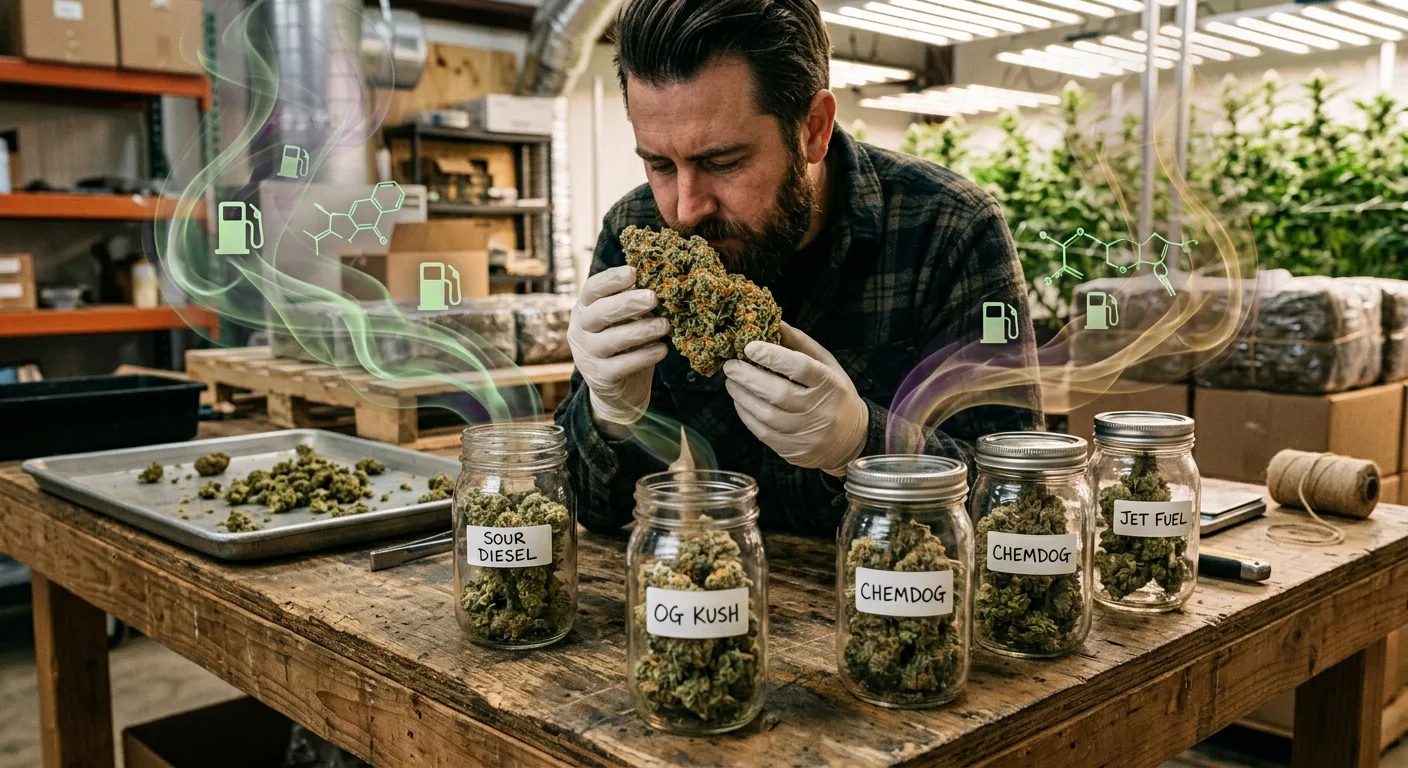
If you've ever heard someone describe a cannabis strain as "gassy," you may have wondered what fuel has to do with weed. The term does not mean the flower contains gasoline or petroleum. Instead, gas strains are known for a strong diesel, fuel-like aroma that can also include skunk, earth, citrus, pine, or spice.
For many cannabis enthusiasts, this powerful smell is part of the appeal. Gas strains are often associated with strong terpene profiles and high-THC flower, although aroma alone does not determine potency or quality.
Whether you're browsing premium gas strains or trying to understand cannabis strain names, knowing where the fuel-like smell comes from can make it easier to compare products. This guide explains the chemistry, genetics, common effects, popular varieties, storage considerations, and what to look for when shopping for gas strains in Ottawa.
What Are Gas Strains?
Gas strains are cannabis varieties recognized for their sharp, fuel-like aroma. Depending on the genetics, the smell may remind you of diesel, gasoline, skunk, chemicals, earth, citrus, or pine.
The word "gas" developed from cannabis slang such as "that gas" and "loud," which were used to describe particularly strong-smelling and potent flower. Over time, breeders began selecting genetics with these intense aromas, creating many modern strains with noticeable diesel and fuel characteristics.
A gassy aroma can be especially strong when flower has been properly grown, dried, and cured because these processes help preserve its natural aromatic compounds.
The Chemistry Behind the Smell
Terpenes are aromatic compounds found in cannabis and many other plants. They help create the smell and flavour associated with different strains.
Gas strains can contain combinations of myrcene, limonene, caryophyllene, pinene, humulene, and other aromatic compounds. Myrcene is often linked with earthy and musky notes, limonene contributes citrus, and caryophyllene can add peppery or spicy character.
The exact combination and concentration of these compounds can create the familiar diesel or fuel-like smell.
Curing also matters. Properly dried and cured flower can retain more of its natural aroma, which is why a well-cured batch of premium gas strains can have an extremely strong smell as soon as the container is opened.
Common Characteristics of Gas Strains
Gas strains are not all identical. Some are heavily indica-dominant and known for relaxing effects, while others have sativa genetics and may feel more cerebral or energetic.
Classic gas lineages often include OG Kush, Chemdog, and Diesel genetics. These families helped establish the fuel-forward aroma that is now associated with many modern gas strains.
|
Characteristic |
Common Gas Strain Profile |
|
Aroma |
Diesel, fuel, skunk, earth, citrus or pine |
|
Common genetics |
OG Kush, Chemdog, Diesel families |
|
Terpenes |
Myrcene, limonene, caryophyllene, pinene and humulene |
|
Typical flower |
Dense, resinous and strongly aromatic |
|
Common effects |
Relaxation, euphoria and physical heaviness |
|
Popular examples |
Pink Death Star, BC Pink Gas, Black Truffle, Death Star |
|
Best suited to |
Evening or relaxed settings, depending on genetics |
The Genetics Behind Gas Strains
The modern gas strain family can be traced through several important cannabis lineages. Understanding these genetics helps explain why different strains can share the same fuel-forward character while producing different experiences.
The Chemdog Revolution
Chemdog, also spelled Chemdawg, is one of the most important names in the history of gassy cannabis genetics. The strain became well known for its powerful diesel aroma and strong effects.
Its exact origins remain debated, but its influence on cannabis breeding is widely recognized. Chemdog genetics became connected with important branches of the cannabis family tree, including OG Kush and Sour Diesel.
Its combination of fuel, skunk, earth, and chemical notes helped establish the style that later breeders continued to develop.
OG Kush and the West Coast Influence
OG Kush became another major foundation for modern gas strains. Its combination of pine, lemon, earth, and fuel aromas helped establish the classic West Coast cannabis profile.
OG Kush became a major West Coast standard, and its genetics have been used in many later crosses.
The OG family includes strains with gassy characteristics such as Pink Kush, Tom Ford Pink Kush, and King Louis XIII. Breeders have crossed OG genetics with many other varieties to create new combinations of aroma, flavour, and effects.
The Diesel Family
The Diesel family developed along another major branch of gas genetics.
Sour Diesel, often called Sour D, is known for its sharp diesel aroma and more sativa-leaning genetic background. Compared with some heavy OG or Kush varieties, Diesel genetics are often associated with a more cerebral and energetic experience.
Modern hybrids may combine OG and Diesel genetics, creating strains that retain the familiar fuel aroma while offering a balance between physical relaxation and mental stimulation.
What to Expect From Gas Strains
The experience from a gas strain depends on its genetics, cannabinoid levels, terpene profile, and the individual consumer. There is no single effect shared by every gassy strain.
Potency and Onset
Many popular gas strains are bred from varieties known for high THC levels. However, a strong smell does not automatically mean a strain has higher THC.
People with lower cannabis tolerance may find high-THC gas strains intense. New consumers should be particularly cautious with potent products and follow applicable product guidance and local laws.
Body-Focused Relaxation
Indica-dominant gas strains are often associated with physical relaxation and a heavier experience. Varieties such as Death Star, Pink Death Star, and Pink Death Breath are commonly described as relaxing and potentially sedating.
These characteristics are one reason many consumers prefer heavier gas strains during the evening.
Some users also choose cannabis for personal wellness reasons, but cannabis effects vary between people, and it should not be treated as a guaranteed treatment for medical conditions.
Flavour From Inhale to Exhale
The flavour of gas strains often follows their aroma.
Depending on the genetics, you may notice diesel and fuel notes alongside earth, pine, citrus, skunk, or spice. Some varieties are harsh and sharp, while others have a sweeter finish.
For people who enjoy strong terpene profiles, the fuel flavour is an important part of the overall experience.
Popular Gas Strains
The gas category includes many different varieties. Some focus heavily on fuel and skunk aromas, while others combine the gas profile with sweetness, fruit, earth, or spice.
Pink Family Powerhouses
The Pink family is strongly associated with OG Kush genetics and gassy aromas.
BC Pink Gas combines the familiar Pink profile with a strong diesel character. Pink Death adds Death Bubba genetics for a heavier profile, while Tom Ford Pink Kush is known for its premium reputation and strong fuel-forward character.
These strains often feature dense, resinous buds and a combination of sweet, earthy, and fuel-like aromas.
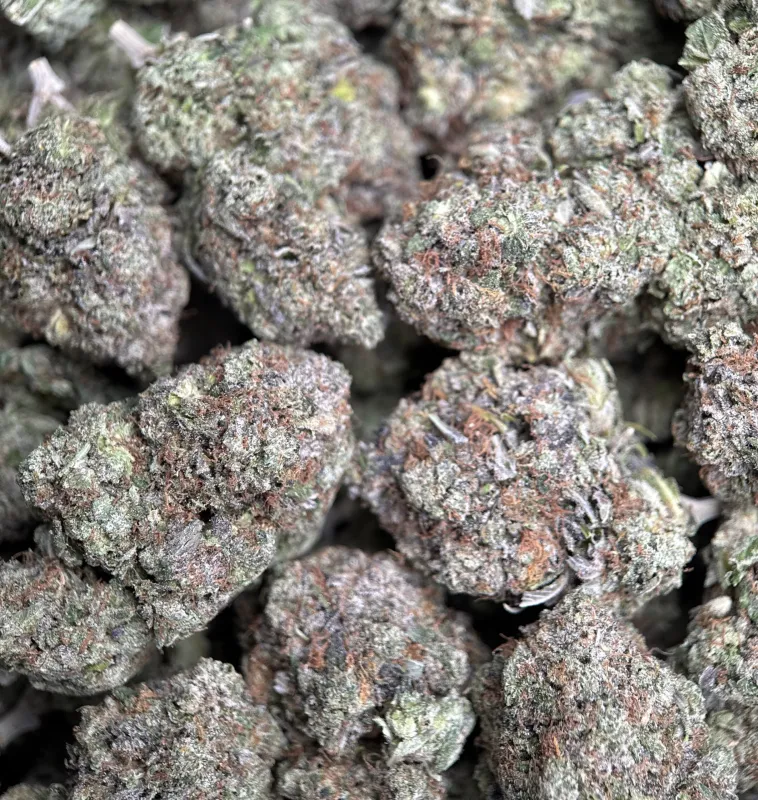
BC Pink Gas
Ultra-potent 36.27% THC Indica hybrid delivering knockout sedation, diesel aroma, and d...
Death Strains
Strains with "Death" in their names are often associated with powerful, relaxing genetics.
Death Star, a cross involving Sensi Star and Sour Diesel, combines a diesel and skunk aroma with a heavier effect profile. Pink Death Star adds Pink Kush genetics to that combination.
Death Bubba is another well-known Canadian variety associated with strong relaxation and a pungent aroma.
These strains are generally more suited to consumers who already understand how they respond to higher-potency cannabis.
Modern Gas Hybrids
Modern breeding has also produced gas strains with more balanced genetic backgrounds.
Black Truffle combines gassy aromas with characteristics that some consumers find more functional. King Louis XIII, associated with OG Kush and LA Confidential genetics, offers a combination of fuel, earth, and other aromatic notes.
These newer hybrids show how breeders continue to work with classic gas genetics while creating different aroma and effect profiles.
How to Choose the Right Gas Strain
With so many gas strains available, the best choice depends on your experience, preferences, and the type of product you're looking for.
Consider Your Experience and Tolerance
Many gas strains are associated with high-THC genetics. New cannabis consumers should therefore pay close attention to THC information and product labeling rather than assuming that every gas strain will feel the same.
Experienced consumers may already know which THC levels and strain characteristics work best for them.
If your usual cannabis products no longer feel as strong, understanding your tolerance can help explain why your experience may have changed.
Match the Strain to Your Preferences
If you prefer heavy, relaxing varieties, indica-dominant gas strains such as Pink Death or Death Bubba may be more appealing.
Consumers looking for something more balanced may prefer a gas hybrid with Diesel or sativa genetics.
The important thing is to look beyond the word "gas." Check the strain's genetics, THC level, terpene information, and product description before choosing.
Consider Aroma and Discretion
Gas strains are often among the strongest-smelling cannabis varieties.
That can be part of their appeal, but it may also matter if you live in an apartment or another setting where strong cannabis aromas could be an issue. Even airtight storage can release a noticeable smell when the container is opened.
If aroma is important to you, gas strains may be a good fit. If discretion is your priority, consider the product's expected aroma before purchasing.
How to Store Gas Strains
Proper storage helps preserve the aroma, texture, and quality of cannabis flower. This is especially important with gas strains because much of their appeal comes from their strong terpene profile.
Choose the Right Container
An airtight glass container is a practical option for storing flower. Glass helps limit exposure to air and can provide a good seal when closed properly.
For premium flower, UV-protective glass can provide additional protection from light. Store the container somewhere cool and dark, such as a cupboard or drawer.
Manage Humidity
Too much moisture can create conditions where mold develops, while overly dry flower can lose aroma and become harsh.
Humidity-control products can help maintain a more stable environment. For long-term storage, many cannabis consumers use products designed specifically to regulate humidity.
You can also learn more about long-term storage of premium strains and how humidity affects cannabis freshness.
Avoid Common Storage Problems
Keep cannabis away from excessive heat, direct sunlight, and major temperature changes. Avoid repeatedly opening the container because frequent exposure to air can gradually affect the flower's aroma and quality.
Good storage becomes even more important when purchasing larger quantities because the product may remain stored for longer.
Gas Strains in Ottawa's Cannabis Scene
Gas strains have a strong following among cannabis consumers in Ottawa. Their intense aroma, recognizable genetics, and wide range of indica and hybrid options make them a popular category.
Craft Cultivation and Premium Options
Small-batch and craft growers often focus heavily on aroma, resin production, cultivation conditions, drying, and curing.
When comparing premium gas strains, look at the product description, grower information, THC level, terpene details, and available freshness information. These factors can tell you more about the flower than the word "gas" alone.
Indigenous-owned dispensaries can also provide local options for Ottawa customers looking for premium cannabis products.
Same-Day Delivery Advantages
For Ottawa customers, local delivery can make it easier to access fresh products without relying on standard shipping timelines.
Proper storage remains important regardless of how cannabis is purchased. A quality gas strain should be protected from excessive heat, light, air, and moisture throughout its storage period.
Price and Value
Premium gas strains can cost more than budget flower because of factors such as cultivation quality, genetics, potency, and terpene content.
Prices can vary by product and market, so it is useful to compare the cost per gram rather than focusing only on the package price.
For customers buying larger quantities, buying in larger quantities may reduce the per-gram cost. However, larger purchases only make financial sense when you have suitable storage and can maintain the flower's quality over time.
Final Thoughts on Gas Strains
Gas strains stand out because of their unmistakable fuel-like aroma and the genetics behind that profile. Chemdog, OG Kush, and Diesel helped shape the modern gas category, while newer breeders continue to create hybrids with different combinations of flavour, aroma, and effects.
Popular examples such as BC Pink Gas, Pink Death Star, Death Star, Death Bubba, Black Truffle, and King Louis XIII show how wide the category has become.
When choosing a gas strain, look beyond the name. Consider the genetics, THC level, terpene profile, freshness, storage, and your own experience with cannabis. For Ottawa consumers, local delivery can also provide convenient access to a range of gas strains while avoiding longer shipping timelines.
Frequently Asked Questions
Gas strains smell like diesel due to their unique terpene profiles, specifically high concentrations of myrcene, limonene, and caryophyllene. These aromatic compounds combine to create sharp, fuel-like aromas that mimic gasoline or industrial solvents. The smell is completely natural and indicates robust terpene content, often correlating with higher potency and quality.
Gas strains tend to be on the higher end of the potency spectrum, often testing between 20-28% THC or higher. However, 'strength' depends on more than just THC percentage,the terpene profile and entourage effect matter too. Gas strains deliver intense effects not just because of high THC, but because their robust terpene profiles work synergistically with cannabinoids to produce powerful experiences.
Pink strains (like BC Pink Gas, Pink Death, Tom Ford Pink Kush) typically carry OG Kush genetics and deliver sweet-and-sour fuel aromas with heavy indica effects. Death strains (Death Star, Death Bubba, Pink Death Breath) emphasize maximum sedation and often combine multiple indica genetics for knockout relaxation. Both categories feature gassy aromatics, but Death strains generally lean even heavier toward couch-lock and sleep.
Most classic gas strains are indica-dominant and work best in the evening due to their sedating effects. However, some gas hybrids with sativa genetics (like certain Sour Diesel crosses) can provide more functional, energizing effects suitable for daytime use. Always check the indica/sativa ratio and start with small amounts when trying a gas strain for the first time during the day.
Store gas strains in airtight glass jars (mason jars work perfectly) in a cool, dark location at room temperature. Add a two-way humidity control pack to maintain 55-62% relative humidity. Avoid refrigeration, freezing, or exposure to direct light. Don't store in plastic bags, which can leach chemicals and create static. Proper storage preserves terpenes and potency for months.
Gas strains are popular among medical users for managing chronic pain, insomnia, muscle tension, and anxiety. Their typically high THC content and body-focused effects make them effective for physical and psychological symptoms. However, new medical users should start with lower doses due to potency. Consult with knowledgeable dispensary staff about which gas strain best matches your specific medical needs.


