
 %
 %
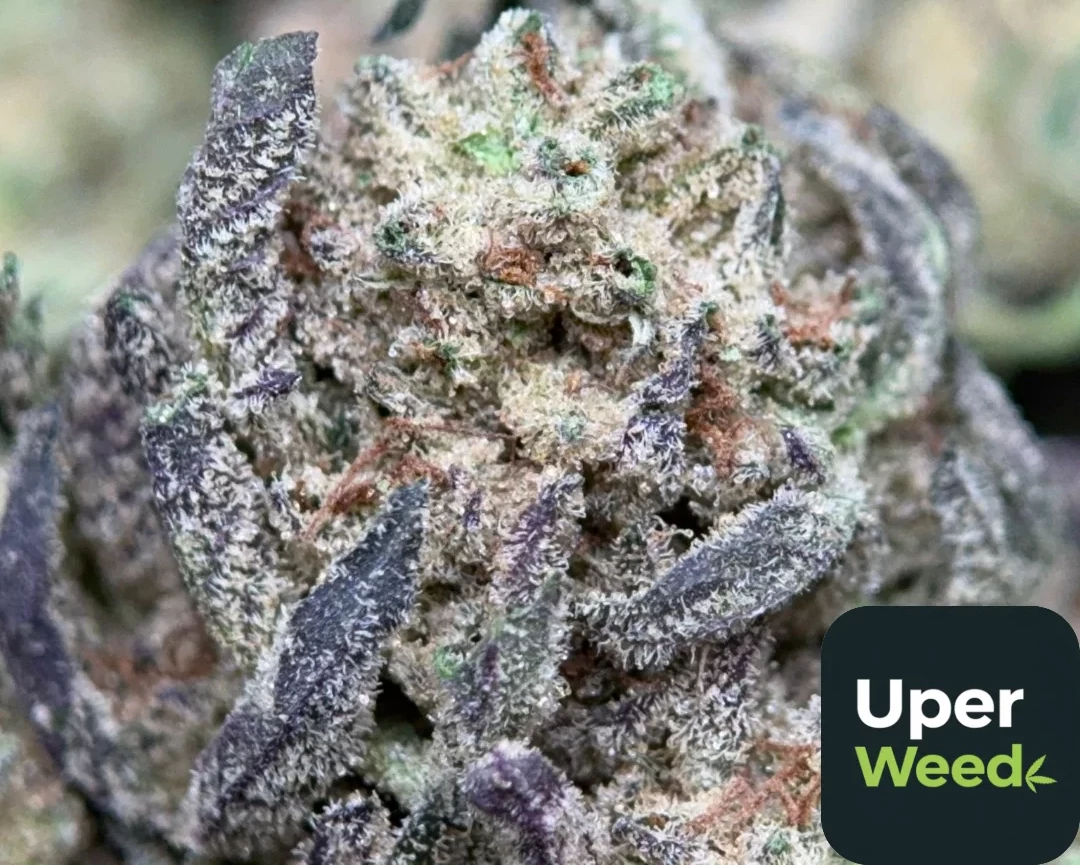
When you look at cannabis products today, you will often see more than just THC and CBD percentages. Terpenes are now an important part of the conversation. But what are cannabis terpenes, and why do they matter?
Cannabis terpenes are natural compounds that give cannabis its smell and flavour. They are also found in many other plants, including lemons, pine trees, lavender, and herbs. In cannabis, terpenes help create the unique aroma and character of different strains.
Understanding terpenes can make it easier to compare cannabis products and understand why two strains with similar THC levels can still smell, taste, and feel very different. This guide explains what cannabis terpenes are, how they work, the most common types, and what to look for when reading a product label.
What Are Cannabis Terpenes?

Terpenes are naturally occurring compounds made by many plants. They are responsible for some of the smells we notice in nature. The fresh smell of pine, the citrus scent of lemon, and the floral smell of lavender are all linked to different terpenes.
Cannabis plants produce terpenes mainly in their resin glands, known as trichomes. These are also where cannabinoids such as THC and CBD choosing a cannabis product are produced.
There are many different terpenes in cannabis, and each strain can have its own combination. The amount of each terpene can also change based on the plant's genetics, growing conditions, harvest time, and curing process.
This is why cannabis can have such a wide range of aromas, from fruity and sweet to earthy, spicy, floral, or pine-like.
How Do Terpenes Work in Weed?
Ever wondered why one weed strain leaves you bright and chatty while another sinks you into the couch? Well, THC is only part of the story, as terpenes shape the character too. They do two main jobs in the plant and one big one for you.
In the plant, terpenes are protective (they deter pests and cope with environmental stress) and sensory (they create each strain's aroma and flavour). For the consumer, they shape the overall character of the experience; they mean the difference between a bright, zesty profile and a heavy, earthy one. More than 100 different terpenes have been identified in cannabis, each appearing in different concentrations depending on genetics, growing conditions and curing.
The Entourage Effect
The entourage effect is one of the most talked-about concepts in cannabis. The idea: cannabis compounds (cannabinoids and terpenes together) shape the overall experience as a group rather than working in isolation. It's the most popular explanation for why two strains with identical THC numbers can smell, taste and feel so different. According to a study in Frontiers in Pharmacology, terpenes may modify how THC binds to cannabinoid receptors, influencing the overall impact on the body.
What the Research and Regulators Say
Terpene science is still new, but the interest is real and growing. Cannabis researcher Dr. Ethan Russo's well-known work Taming THC (2011) describes terpenes as having complementary pharmacological effects when present alongside cannabinoids like THC and CBD — a foundation for much of today's entourage-effect discussion. And according to Health Canada's guidance for health care professionals, terpenes are recognized for their complementary roles in managing symptoms without increasing THC dosage. For everyday shoppers, the practical takeaway is simpler: the terpene profile is a meaningful part of what type of weed you're choosing, not an afterthought to the THC number.
Terpenes vs. Cannabinoids
It's easy to lump them together, but they're distinct:
- Cannabinoids (THC, CBD and others) are the compounds most associated with cannabis's primary effects.
- Terpenes are the aromatic compounds that define scent and flavour and round out a strain's overall character.
Both are made in the same resin glands, and both show up on a good label which is why terpene profiling has become central to how strains are described and classified.
Common Cannabis Terpenes
A handful of terpenes show up again and again. Here's the connoisseur's shortlist, by aroma:
|
Terpene |
Aroma / Flavour |
Often found in |
|---|---|---|
|
Myrcene |
Earthy, musky, clove |
Indica-leaning strains like Granddaddy Purple |
|
Limonene |
Bright citrus, lemon peel |
Zesty strains like Super Lemon Haze |
|
Pinene |
Fresh pine, forest |
Jack Herer, Chemdawg |
|
Caryophyllene |
Spicy, peppery |
Girl Scout Cookies, Bubba Kush |
|
Linalool |
Floral, lavender |
LA Confidential |
|
Terpinolene |
Pine-citrus, herbal |
Super Lemon Haze, Durban Poison |
No lab report handy? Trust your nose. Citrus points to limonene, earthy and musky is myrcene, sharp pine is pinene, and a soft floral note means linalool. Your senses are a real shortcut to a strain's profile.
Take Jack Herer for example, a pine-forward, terpinolene-and-pinene strain that smells as bright as it reads on a label.
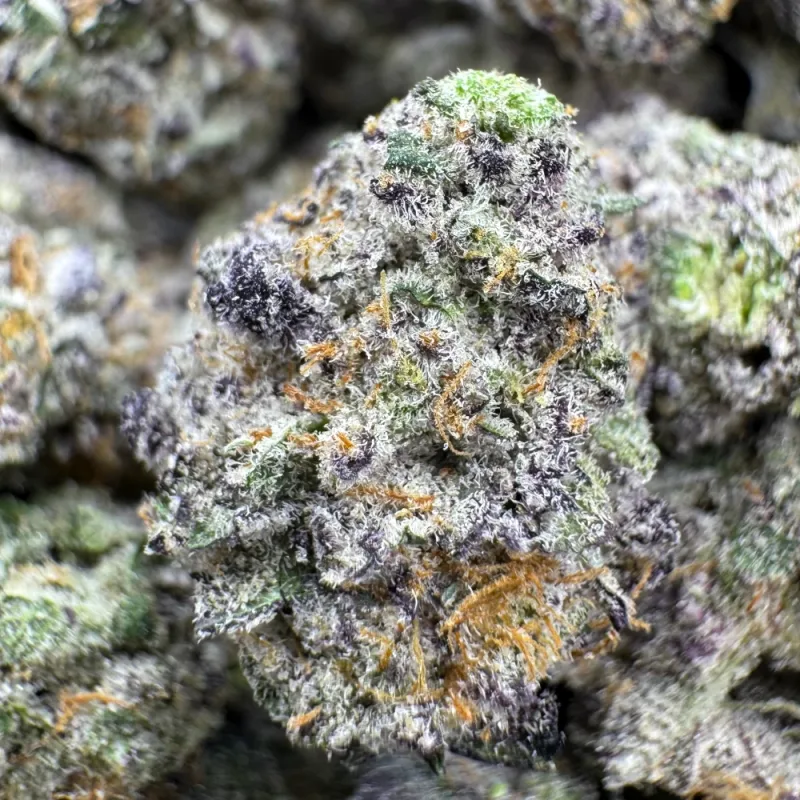
Jack Herer
Legendary sativa with uplifting, creative high. Pine-citrus flavour, 34.50% THC. Perfec...
Or Blue Dream, a myrcene-leaning classic whose berry-herbal nose tells you exactly what kind of character to expect before the bag's even open.
Blue Dream
Uplifting 60/40 sativa with sweet blueberry flavour, cerebral buzz, and gentle relaxati...
Why Do Different Weed Strains Have Unique Terpene Profiles?
A strain's cannabis terpenes fingerprint comes from three things working together:
Genetics (chemotype)
Each plant has a chemical baseline set by its genetics. Research on cannabis terpene biosynthesis maps how specific genes drive which terpenes a plant can produce. Breeders cross strains specifically to push certain aromatic profiles, like how OG Kush leans limonene and myrcene and Super Lemon Haze leans terpinolene and limonene.
Environment (phenotype expression)
Genetics set the potential; growing conditions decide how much of it shows up. Light (especially UV), soil and nutrients, temperature, humidity and even pest pressure all shift cannabis terpene output. For example, stressed plants often produce more cannabis terpenes as a defence.
Harvest and curing
Harvest and curing matter too. Terpenes are volatile (heat and light evaporate them). Over-drying or overheating destroys them; slow, low-temperature curing preserves the full profile. This is exactly why craft weed growers obsess over drying and curing, and why fresh, well-cured flower smells so much louder in the jar.
|
Factor |
Impact on terpenes |
|---|---|
|
Genetics |
Sets the potential profile |
|
Environment |
Modifies expression via external stress |
|
Harvest timing |
Determines terpene maturity |
|
Curing technique |
Preserves or loses terpene content |
Cannabis Terpenes vs. Botanical Terpenes
On product labels you'll see cannabis terpenes described as either cannabis-derived or botanical and the difference matters:
Source
Cannabis terpenes are extracted from cannabis and keep a strain's full, complex profile. Botanical terpenes come from other plants (citrus peel, pine, lavender); chemically similar but usually simpler.
Consistency & cost
Botanical terpenes are cheaper and easier to blend in precise ratios, which is why they show up in many infused products. Cannabis-derived terpenes carry minor compounds that add complexity, but they cost more and yield less.
Character
Cannabis-derived terpenes are generally considered the more "full-spectrum" option; botanical terpenes trade some nuance for purity and consistency.
|
Feature |
Cannabis terpenes |
Botanical terpenes |
|---|---|---|
|
Source |
Cannabis plant only |
Many plant sources |
|
Cost |
Higher |
Lower |
|
Complexity |
High (minor compounds included) |
Simpler, purer |
|
Common use |
Premium extracts, live resin |
Some vapes, infused products |
How to Identify the Terpenes in Your Strain
You don't need a lab to start reading cannabis terpenes, though the lab helps:
-
Check the label: Many licensed Canadian producers list dominant terpenes and a total terpene percentage (typically 0.5–3%).
-
Read the Certificate of Analysis (CoA): Legal sources like Uper Weed make lab data available; look at the terpene chart and total percentage.
-
Use your nose: Citrus = limonene, earthy/musky = myrcene, pine = pinene, floral = linalool.
-
Cross-check strain databases: Tools like Leafly, or Uper Weed's own strain listings, show typical profiles by strain name.
-
Ask: Our Uper Weed team can talk you through a strain's profile the same way a good budtender would.
Pick your goal first — bright and zesty, or heavy and earthy, then read the top two or three terpenes on the label and match the aroma to the mood. It's a far better predictor of character than the THC number alone.
How Terpene Profiles Are Tested & Classified in Canada
In Canada's regulated cannabis market, terpene testing is increasingly standard on premium products. Licensed producers use gas chromatography–mass spectrometry (GC-MS) to isolate and measure terpenes, often down to 0.01%. The commonly reported terpenes include myrcene, limonene, caryophyllene, pinene, linalool, terpinolene, ocimene, humulene, eucalyptol and nerolidol.
According to Health Canada regulations, terpene content may be displayed on product labels, especially for medical cannabis. While not mandatory, terpene reporting is encouraged under the Cannabis Act (Bill C-45) and the Consumer Packaging and Labelling Act. When you shop, look for a terpene profile or a QR code linking to batch-specific lab results, the dominant terpenes listed in descending order, and a total terpene percentage.
A Note on Rare Terpenes: Selinadiene
Beyond the headline terpenes, there are dozens of minor ones like selinadiene, a group of sesquiterpenes (alpha- and beta-selinadiene) also found in plants like celery and turmeric. It carries woody, earthy, faintly spicy notes and tends to play a supporting role, rounding out sharper or fruitier aromas. It's rare, usually a trace component, and research on it is still early but it's a good example of the chemical diversity that makes each strain unique. Always check a lab report to confirm minor terpenes like this.
Can You Add Terpenes to Cannabis?
Yes you can add terpenes to cannabis... carefully. Added terpenes can restore aroma to dry flower or reshape a flavour profile, and many infused cartridges use botanical terpenes to recreate strain-like taste. A few ground rules: never use raw, undiluted terpenes (they're highly concentrated), only use food-grade products from licensed sources, and follow Health Canada rules on additives. Used modestly and safely, terpene enhancement can be rewarding; overdone, it just leads to harshness.
Final Thoughts on Cannabis Terpenes
Cannabis terpenes are much more than the compounds that make one strain smell like citrus and another smell like pine. They are an important part of the plant's chemical profile and help create the wide range of aromas and flavours found in cannabis.
Learning the basics of terpenes can also make product labels easier to understand. Instead of looking only at THC, you can consider the dominant terpenes, aroma, flavour, and available lab information.
There is still much to learn about how terpenes interact with cannabinoids and other cannabis compounds. For now, the best approach is to use terpene information as one part of the bigger picture and pay attention to what works for your own preferences.
Frequently Asked Questions About Cannabis Terpenes
Cannabis terpenes are natural compounds that give cannabis its different aromas and flavours. They can help explain why one product may smell citrusy, earthy, fruity, or pine-like compared with another. Checking the terpene profile can help you better understand the product you are considering.
Some of the most common cannabis terpenes include myrcene, limonene, pinene, caryophyllene, linalool, and terpinolene. Each has a different aroma and flavour. Looking at the terpene profile can help you choose products based on the taste and smell you prefer.
Terpenes themselves are not intoxicating like THC. THC is the main compound responsible for the high associated with cannabis. However, researchers are still studying how terpenes may interact with cannabinoids and contribute to the overall cannabis experience.
Different strains have different genetics and terpene combinations, which can create unique smells and flavours. Growing conditions, harvesting, drying, and curing can also affect the final aroma. This is why two cannabis products can have noticeably different profiles.
Check the product label or Certificate of Analysis (COA) for its terpene information. The smell can give you a general idea of the profile, but lab testing provides more reliable information about the specific terpenes present.
Both can give you useful information, but they tell you different things. THC shows the cannabinoid content, while terpenes provide information about the product's aroma and flavour profile. Checking both can help you make a more informed choice based on your preferences.
Find your profile at Uper Weed - craft flower, live resin and full-spectrum extracts with terpene detail listed alongside THC and CBD. Same-day delivery in Ottawa & Gatineau, mail order Canada-wide.Shop Cannabis by Terpene Profile


