At the top of most cannabis menus there's a tier that costs noticeably more than everything below it. It's usually labelled craft, sometimes small batch, sometimes AAAAA+. The photos look excellent, the prices are roughly double the mid-tier, and the description rarely explains what the extra money is actually buying.
The uncomfortable fact is that craft has no legal definition in Canada. No regulator certifies it, no standard governs it, and nothing stops any producer from applying the word to any product.
That doesn't make it meaningless, but it does mean the word itself guarantees nothing.
What it usually signals is a specific set of production choices, most of which trade speed and yield for quality. Several of these practices can actually be verified by looking at and smelling the flower.
Knowing which practices matter, and which show up in the jar, is the difference between paying for craft and paying for the word.
Why the Word Exists
Large-scale cannabis production optimises for throughput: maximum yield per square metre, fast turnaround between harvests and mechanised processing wherever possible.
None of that is inherently bad. These methods help keep mid-tier flower affordable and make consistent production possible at scale.
Craft production takes a different approach in specific areas. It typically involves smaller batches, more attention per plant and slower processes at stages where speed can compromise quality.
The premium reflects lower yields per unit of labour and longer periods between harvest and sale.
When it's done properly, the difference is real and noticeable. When it's just a label, it isn't.
The Practices That Matter
Hand Trimming
After harvest, cannabis buds are trimmed to remove excess leaf material.
Large operations often use machines that tumble buds against blades. This is fast, but the process can knock resin heads off the bud surface and damage its natural structure.
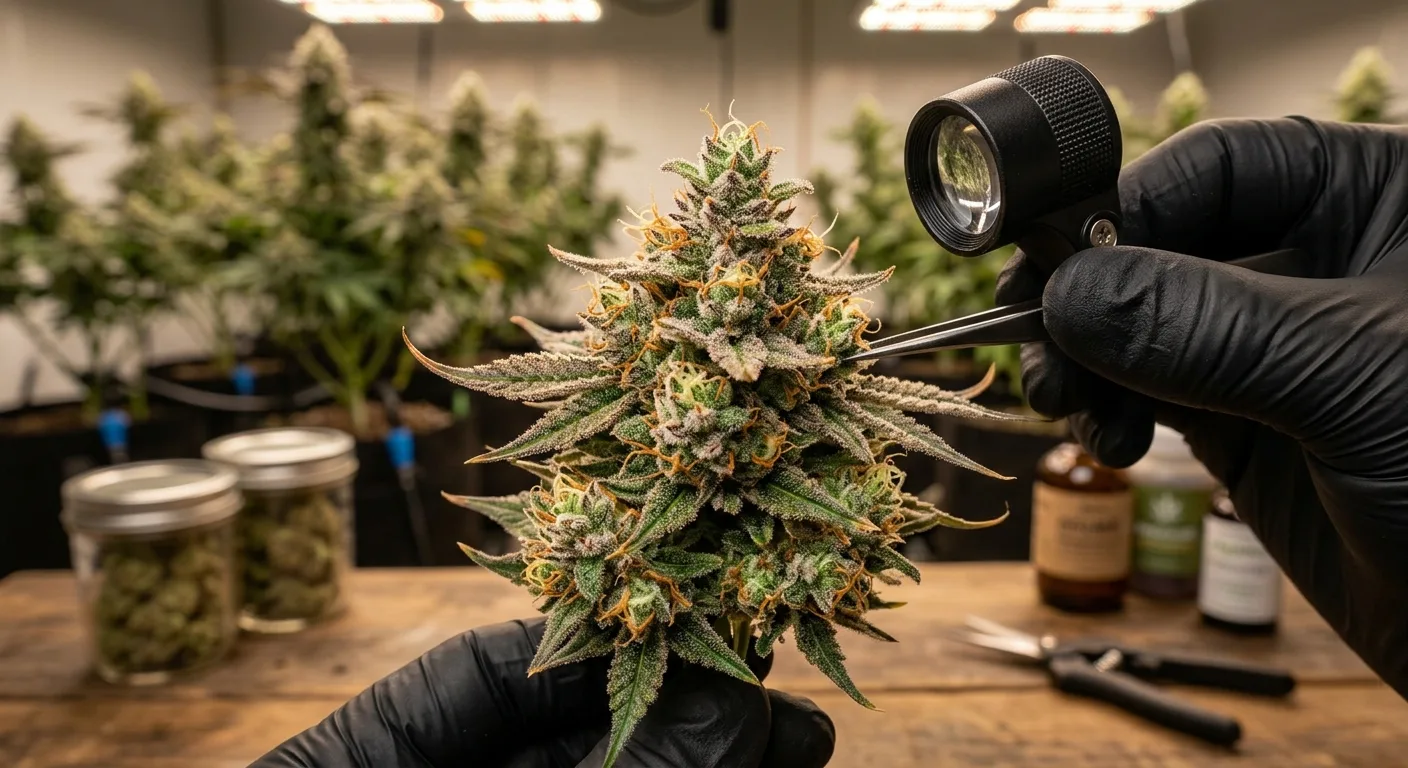
Hand trimming with scissors is significantly slower and gentler. It helps preserve intact trichomes, maintain natural bud shapes and retain the frosted appearance that machine trimming can wear down.
Can you verify it? Largely, yes. Hand-trimmed buds often retain their natural shapes and visible trichome coverage. Machine-trimmed flower may look more uniformly rounded, slightly smoothed and less frosty, with more loose kief at the bottom of the container.
Hang Drying
Whole plants or large branches are hung upside down in a controlled environment to dry slowly and evenly, typically over 10–14 days.
Faster methods, such as drying individual buds on racks or using additional heat, can bring flower to market sooner, but may compromise terpene retention and smoothness.
Slow drying allows moisture to leave the buds gradually. Rushed drying can leave flower with a harsh, grassy character that later curing cannot fully correct.
Can you verify it? Indirectly, through the finished product. A grassy aroma or harsh smoke can suggest rushed drying. Our guide on how to tell if flower was cured properly explains the checks in more detail.
Extended Curing
After drying, flower is placed in sealed containers that are periodically opened to manage moisture and allow the curing process to continue.
Commercial timelines may compress this stage to a week or two, while craft producers commonly cure for four weeks or longer.
Longer curing allows chlorophyll to break down, distributes moisture more evenly through the bud and gives the aroma time to develop.
It's one of the stages where additional time can translate directly into a more refined finished product.
Can you verify it? Yes, through several characteristics. Complex, layered aromas, a clean stem snap, smooth smoke and pale ash can all indicate a proper cure.
Phenotype Selection
A grower who starts with dozens of seeds from a genetic cross and selects the best individual plant before scaling up is doing something fundamentally different from a grower who plants whichever seeds are available.
Careful phenotype selection allows producers to identify plants with desirable characteristics and reproduce those traits more consistently.
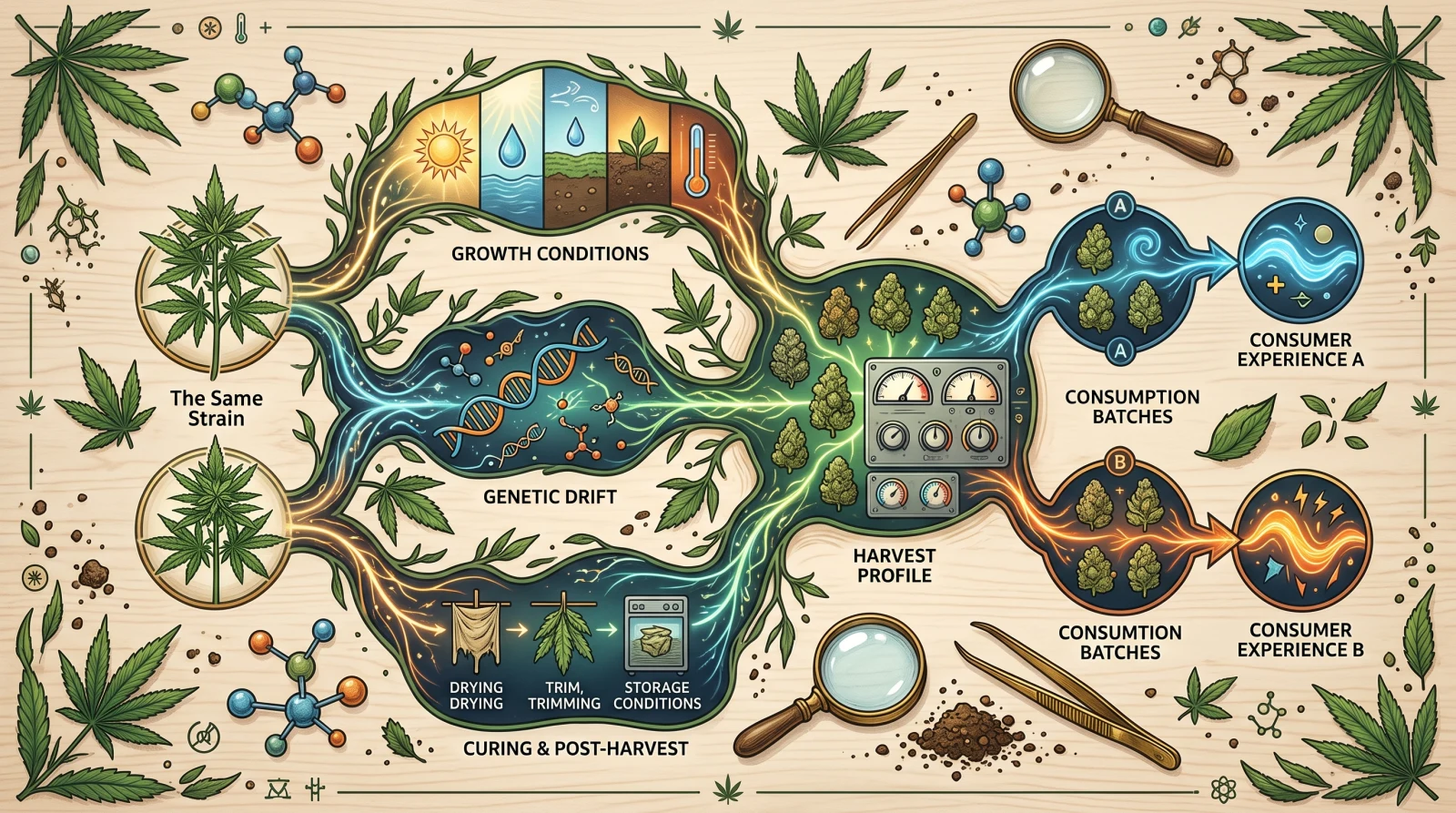
Without that selection, different plants can produce noticeably different results even when they're sold under the same strain name.
Our guide on why the same strain is different everywhere explains why genetics and phenotype selection matter.
Can you verify it? Only through consistency over time. A producer delivering similar characteristics batch after batch is likely working with selected genetics.
Growing Medium and Inputs
Many craft producers use living soil or organic inputs rather than bottled synthetic nutrients.
Some growers and consumers report differences in flavour complexity between these approaches. However, controlled evidence is limited, and excellent flower can come from either growing method.
Can you verify it? Not from the flower alone. Growing-medium claims are best treated as information about a producer's priorities rather than a guarantee of what's inside the jar.
Craft Practices at a Glance
| Practice | What It Affects | Visible in the Jar? |
|---|---|---|
| Hand trimming | Trichome coverage, bud structure | Yes, clearly |
| Slow hang drying | Smoothness, terpene retention | Through aroma and smoke |
| Extended curing | Aroma, smoothness, burn quality | Yes, most reliably |
| Phenotype selection | Consistency, character | Only over repeat purchases |
| Small batch size | Attention per plant | No |
| Living soil or organic inputs | Potential flavour complexity | No |
| Careful packaging and handling | Trichome preservation | Through kief in the container |
The practices you can see are the ones that do the most. The ones you can't see are best treated as context rather than proof.
What Craft Doesn't Mean
The term is often used alongside other product descriptions, but several distinctions are worth understanding.
It doesn't mean higher THC.
Craft producers generally optimise for terpene expression, smoothness and flavour rather than maximum potency. Plenty of excellent craft flower tests lower than mass-market products.
Our article on what THC percentage actually measures explains why THC is a limited quality indicator.
It doesn't mean organic.
Some craft growers use organic inputs, but many don't. The two terms overlap without meaning the same thing.
It doesn't mean a specific grade.
Craft describes the production process, while grading describes an assessment of the finished flower. Although the two can correlate, they're not interchangeable.
Our cannabis grading guide explains how the different letter tiers work.
It doesn't guarantee quality.
A label is not a production method. The finished flower still needs to demonstrate the characteristics associated with careful cultivation and processing.
Is the Craft Cannabis Premium Worth It?
Whether craft cannabis is worth the additional cost depends on what you value and how you consume it.
It may be worth it if:
- Flavour and aroma are important parts of your cannabis experience.
- You smoke or vaporize flower rather than processing it.
- You consume moderate quantities and prioritise quality per session over quantity.
It may not be worth it if:
- You're making edibles or infusions, where decarboxylation can remove many of the distinctions that craft production creates.
- You're a high-volume consumer and the per-gram premium adds up quickly.
- You primarily roll joints with other additions, where subtle flavour differences may be less noticeable.
The middle path: craft smalls.
Smalls from a craft batch can offer a practical compromise. They come from the same genetics and undergo the same trimming, drying and curing processes, but consist of smaller buds that are often sold at a substantial discount.
You can get many of the production benefits without paying the full premium for larger, visually impressive buds.
How to Assess a Craft Listing
Before paying extra for craft cannabis, consider these five checks:
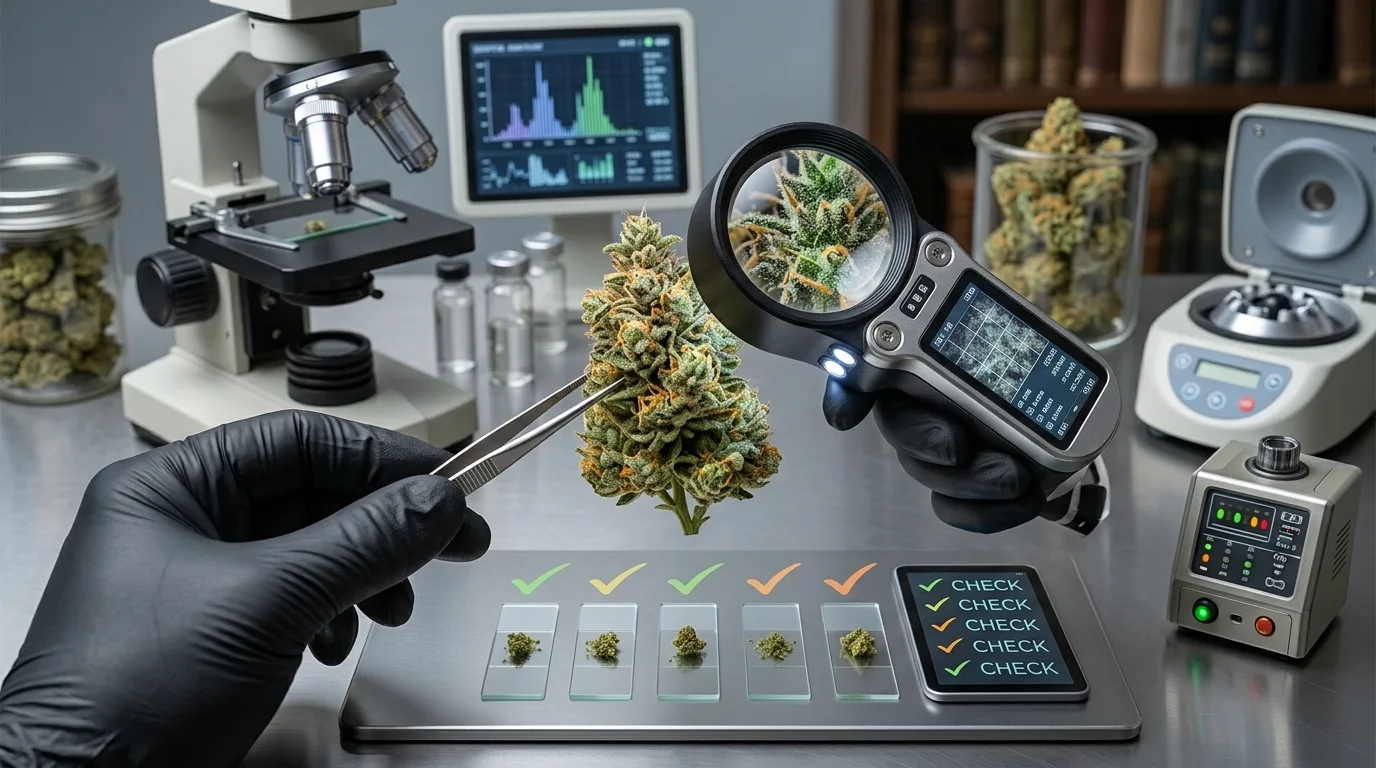
- Open and smell. Look for a strong, complex and layered aroma. A faint or grassy smell may suggest that the processing didn't deliver the expected result.
- Inspect the surface. Look for intact trichome coverage, natural bud shapes and visible frost without magnification.
- Check the bottom of the container. Excessive loose kief can suggest rough handling, although packaging and transport also affect how much accumulates.
- Check the texture. Flower should have some gentle give and spring back, while stems should snap cleanly.
- Evaluate the smoke. Smoothness, flavour and a clean burn can provide additional clues about the quality of the finished product.
No single check proves that flower is craft. Together, however, they can help you assess whether the premium is reflected in the finished product.
Our AAAAA+ craft cannabis selection is reviewed batch by batch against these characteristics rather than being listed solely on the basis of a supplier's label.
With same day weed delivery Ottawa, trying a gram or an eighth of a craft batch can also be a way to assess it before committing to a larger quantity.
Frequently Asked Questions
There's no legal or regulated definition in Canada. In practice, craft cannabis usually signals small-batch production with hand trimming, slow hang drying, extended curing and careful phenotype selection. Because the term is unregulated, assessing the finished flower matters more than the label.
Not necessarily. Craft producers typically prioritise terpene expression, smoothness and flavour over maximum THC. What you're paying for is the production process and quality of the experience, not necessarily a higher potency figure.
Machine trimming typically tumbles buds against blades, which is fast but can knock off trichome heads and smooth the bud structure. Hand trimming with scissors is slower and helps preserve intact trichomes and natural bud shapes.
Slow, even drying over 10–14 days allows moisture to leave the bud gradually and helps preserve terpenes and smoothness. Rushed drying can contribute to harsh, grassy characteristics that later curing may not fully correct.
It depends on how you consume it. For flower you'll smoke or vaporize where flavour matters, the premium may be worthwhile. For edibles and infusions, the distinction is often less important. Smalls from a craft batch can offer a more affordable alternative.
Look for complex aroma, intact trichomes, natural bud shapes, minimal loose kief, appropriate texture and smooth smoke. These characteristics can help you assess the finished flower, although they cannot independently confirm every production method.
The Short Version
Craft cannabis isn't regulated, certified or legally defined in Canada.
What it should represent is a commitment to hand trimming, slow drying, extended curing and carefully selected genetics. Each of these practices trades speed or yield for greater attention to the finished product.
The most important characteristics are also the ones you can often see and smell. Complex aroma, visible frost, natural bud structure and smooth smoke can tell you more than a marketing label.
Judge the flower, not the word. If it delivers the qualities associated with careful production, the craft designation has substance. If it doesn't, the label alone doesn't make it premium.
Browse Uper Weed's craft flower selection and explore premium cannabis batches.Explore AAAAA+ Craft Cannabis